


Eurovision Song Contest changes rules for countries at war
Eurovision Song Contest changes rules for countries at war

Mark Savage - Music correspondentWed, August 12, 2026 at 3:49 PM UTC
0
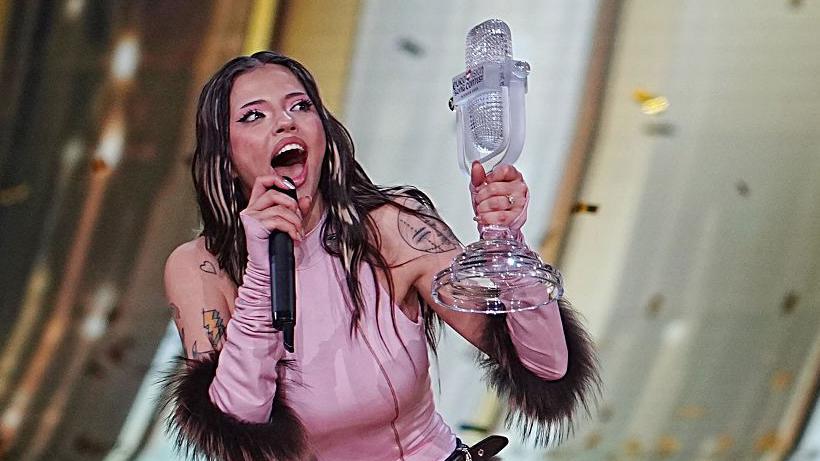
Bulgarian singer Dara won this year's Eurovision Song Contest in Vienna
Organisers of the Eurovision Song Contest have their rules to state that if a country involved in an armed conflict wins the competition, it will be ineligible to host it the following year.
The amendment was approved by the contest's governing body, following feedback from participating broadcasters after Eurovision 2026 in Vienna.
It states that winning countries will also be disqualified from hosting if a "sensitive geopolitical situation" affects the "security, safety or stability of their state or immediate region".
The update will be interpreted as a reaction to Israel's continued presence at the contest, amid criticism of its military actions in Gaza and the Middle East.
Last November, following a failed attempt to have Israel suspended, five broadcasters announced they were boycotting the competition - including Eurovision powerhouses Spain and Ireland.
Despite the protests, Israel's Noam Bettan ultimately took second place with his song Michelle.
It marked the second year in a row that Israel had taken the runners-up position - and some participating broadcasters have privately expressed safety concerns over the contest being staged in Jerusalem or Tel Aviv, should the country win in the future.
Although Israel will undoubtedly be seen as the target of the rule change, it will also affect Ukraine, which has been engaged in a protracted war since it was invaded by Russia in 2022.
Ukrainian group Kalush Orchestra went on to win Eurovision that, in a symbolic show of public support.
Following their victory, Eurovision organisers undertook a "full assessment and feasibility study" to decide whether the 2023 contest could proceed in Kyiv.
They ultimately decided the security risks were too great, and the UK stepped in to host the competition in Liverpool.
Advertisement
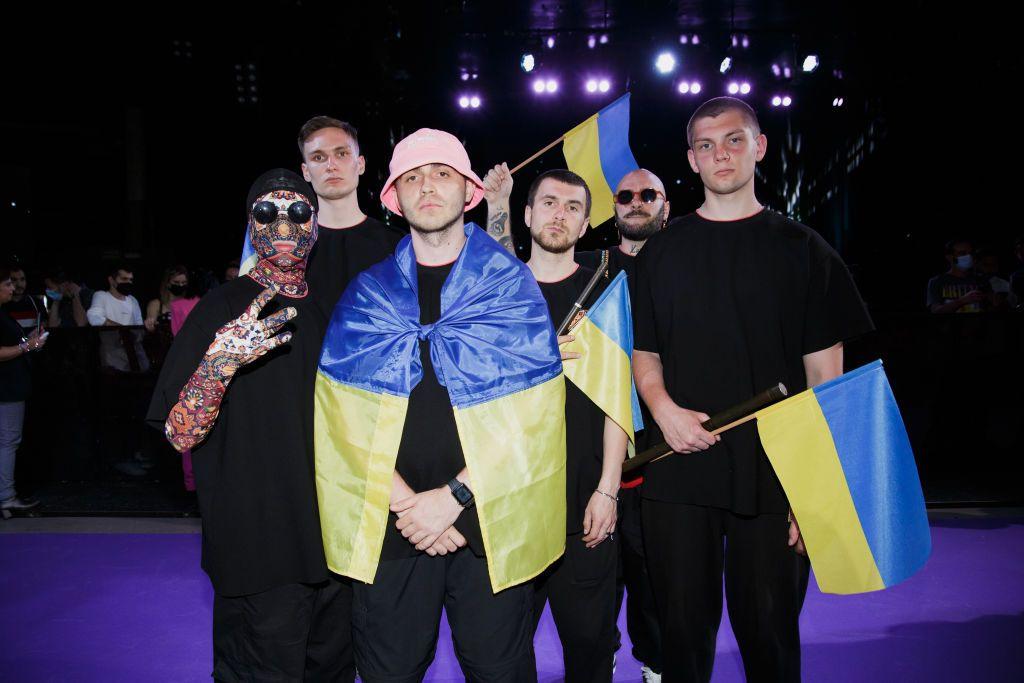
Kalush Orchestra won the 2022 Eurovision Song Contest with their song Stefania - but the UK hosted the contest on Ukraine's behalf the following year
The new rules formalise that process, stating that "where deemed necessary" the EBU, which organises Eurovision, "may commission an independent security assessment of the winner's region".
"Following that assessment, the EBU will consult the Reference Group to determine whether the winning member is able to safely host the Contest."
If the winning country is deemed unable to host, the EBU will select an alternative broadcaster to run the show.
Significantly, they "will not be required to stage the event on behalf of another member". (In 2023, the BBC worked in conjunction with its Ukrainian counterpart to reflect the country's heritage in the contest).
Rules on miming clarified
Other rules announced on Tuesday raised the minimum age for participation in Eurovision from 16 to 18; and clarified regulations on the use of backing tracks.
Since 1999, live instruments have effectively been banned, with only the lead vocalist performing live.
From next year's contest, the backing track may not "unduly assist" the singer or singers on stage, for example by including a pre-recorded voice singing the main melody to thicken or support the live performance.
"The clarification is intended to protect the integrity of each performance and to ensure the audience always hears the lead vocals on each song performed live," said the EBU.
Commenting on the rules, Eurovision director Martin Green said: "These changes are about giving everyone involved greater clarity, protecting artists and ensuring the Contest continues to provide a safe and welcoming environment, while preserving the spirit and integrity that make the Eurovision Song Contest so special."
Next year's contest will be held in Bulgaria, after their entrant Dara won the 2025 edition with her club anthem Bangaranga.
Last month, it was announced that Canada would enter the contest for the first time.
Canada eligible to join Eurovision competition
Bangaranga! Bulgaria wins Eurovision - but UK comes last
Another year, another controversy for Eurovision - but fans are sticking by it
Eurovision boss: 'We're watching the voting very carefully'

Source: “AOL Entertainment”
