


Loch Ness Monster Sightings Hit 15 in 2026, More Than Double Last Year’s Total
Loch Ness Monster Sightings Hit 15 in 2026, More Than Double Last Year’s Total

Moná ThomasFri, October 23, 2026 at 9:40 PM UTC
2
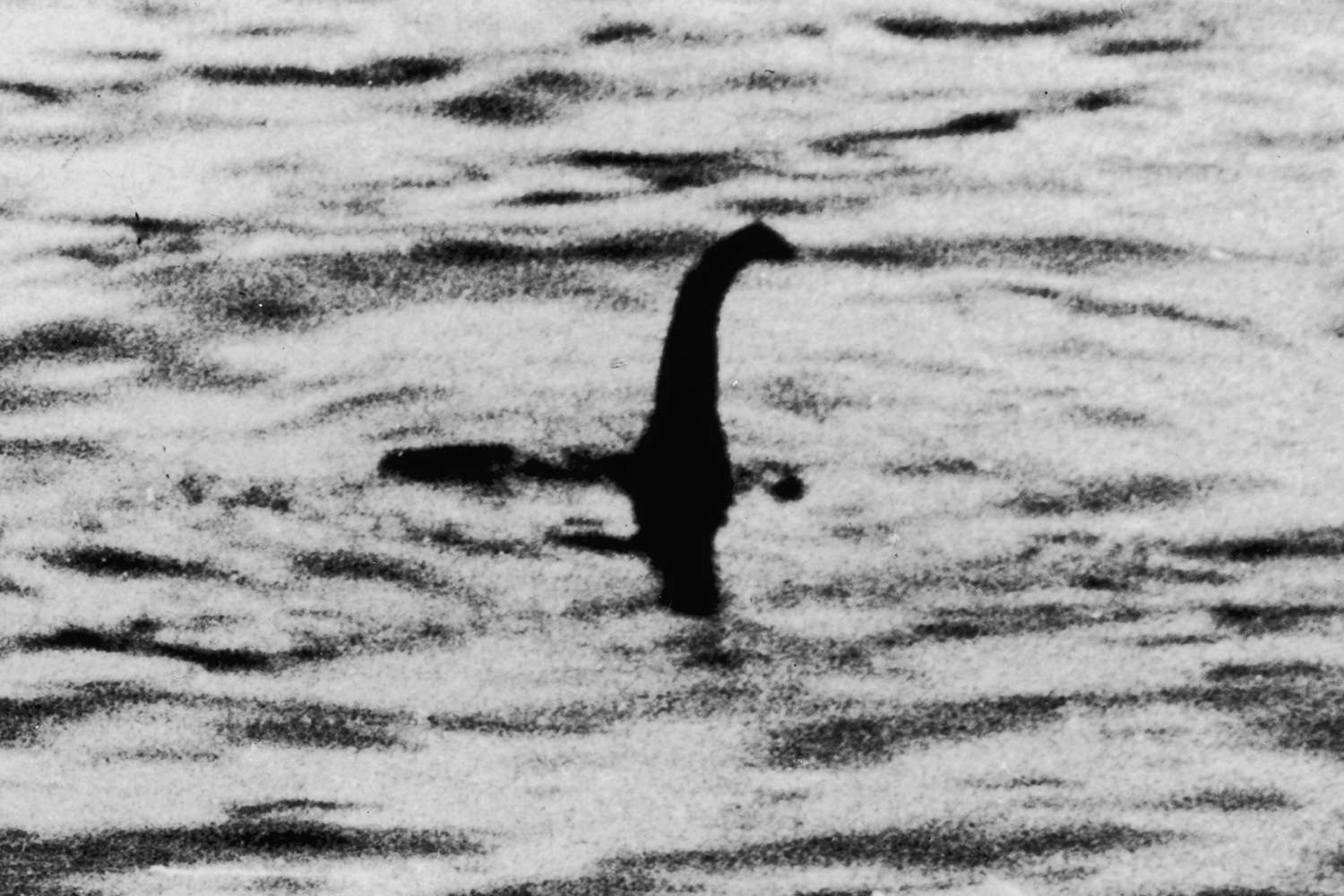
A photo of the Loch Ness Monster, near Inverness, Scotland, April 19, 1934, later revealed to be a hoax photographCredit: Keystone/Getty -
The latest Nessie sighting came from a German visitor who described a 20-foot black object near the water’s surface
DNA testing found no plesiosaur evidence in Loch Ness; some think the sightings could be giant eels
Loch Ness Monster legend generates an estimated $55 million in annual tourism revenue for the region
Nessie is having a big year, only adding to the legacy of the elusive cryptid.
The Official Loch Ness Monster Sightings Register has accepted 15 on-site reports so far in 2026, more than double the six logged in all of 2025. According to The Inverness Courier, the register has recorded 1,180 sightings at the Scottish loch across decades, plus 17 webcam images.
The most recent accepted report came from Felix Tiekemeier, a visitor from Germany. Just before noon on Friday, Aug. 21, he spotted something about 20 feet long about 984 feet from shore.
“He said that the object was black and surfaced, remained at the water’s surface for about 20 seconds, and then disappeared again,” the register stated, adding that he “explained that it was swimming close to the surface and appeared to have a head.”
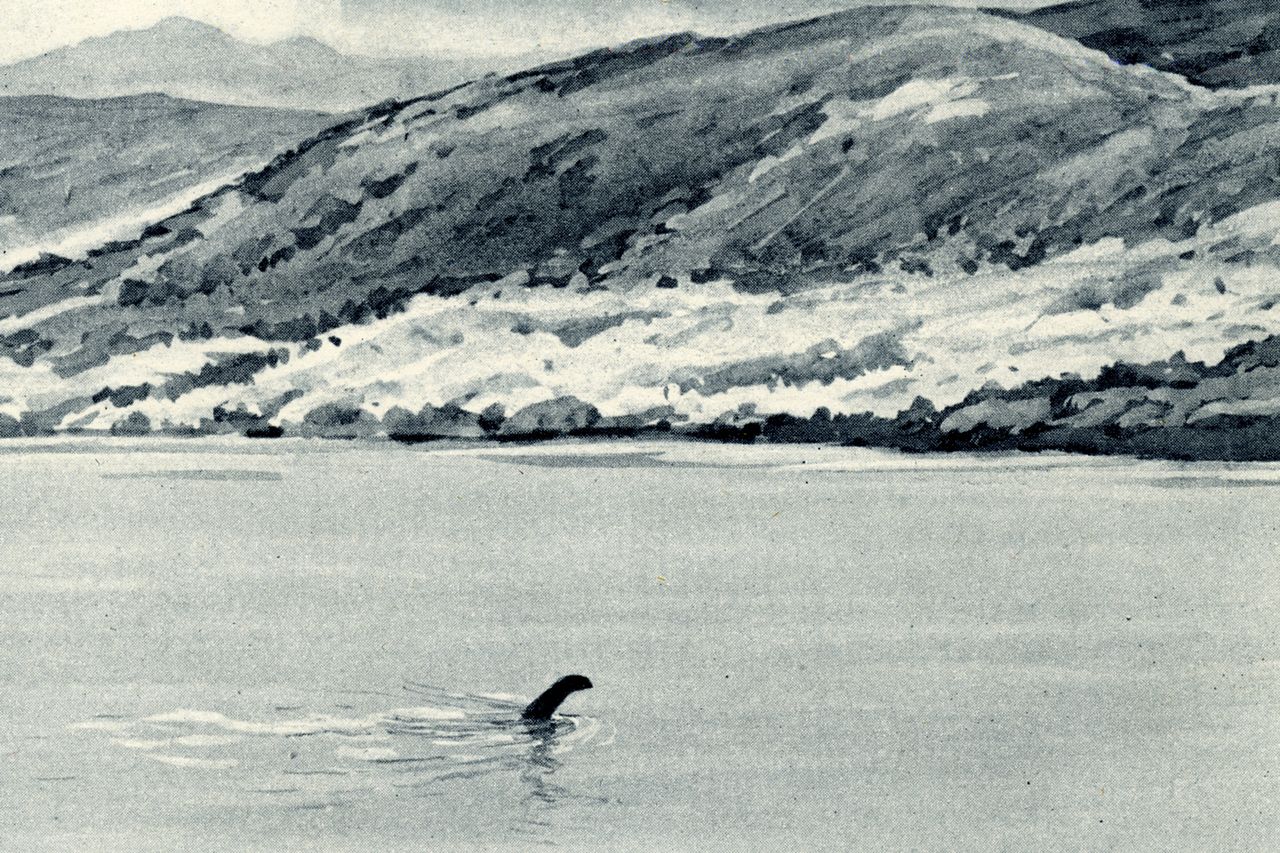
A 1933 illustration of the Loch Ness MonsterCredit: Culture Club/Bridgeman via Getty
Earlier in August, Jocelyn Boyce, visiting from Barcelona, said she and her family saw “a dark, almost black, mound-like shape protruding above the surface of the water” from a viewpoint at Urquhart Castle.
A day before that, Norbert Kawka of Malta told the register he watched something move against the current near Fort Augustus for 15 minutes, dipping in and out of the water like “a very large eel.”
Ironically, the comparison may be apt. In 2019, researchers led by New Zealand’s University of Otago sampled DNA from the loch’s water. They found no evidence of a plesiosaur, a prehistoric marine reptile often linked to Nessie lore, as the Courier reported. However, they found eel DNA nearly everywhere they tested in the loch.
Advertisement
“Our data doesn’t reveal their size, but the sheer quantity of the material says that we can’t discount the possibility that there may be giant eels in Loch Ness,” geneticist Neil Gemmell said at the time.
Not everyone is convinced there’s anything unexplained in the water. According to The Press and Journal, naturalist Adrian Shine, who has spent 53 years investigating the Loch Ness Monster mystery, laid out his conclusions in a new book, A Naturalist’s View of the Loch Ness Enigma.
“Loch Ness monsters are not seen in waves. Loch Ness monsters are seen in calm, flat water,” Shine told the outlet. He said the second half of the book focuses on “what people are seeing, because that is truly what the Loch Ness monster is.”
Despite the pushback, longtime believers aren’t backing down. Steve Feltham, a full-time Nessie hunter who lives on the loch, told NewsNation that “the existence of Nessie” does not rest on one person’s opinion.
— sign up for PEOPLE’s free daily newsletter to stay up-to-date on the best of what PEOPLE has to offer, from celebrity news to compelling human interest stories.
“Some people look at all the evidence and conclude there is something to be explained,” said Feltham. “Some people look at it and say there’s not. That makes no difference to Nessie’s existence.”
The legend traces back to the Irish missionary St. Columba, who is said to have encountered a beast in the River Ness in A.D. 565. Today, the monster is estimated to bring in £41 million (about $55 million) in tourism revenue to the region each year.
on People
Source: “AOL Breaking”
