


Michael Phelps Says He Got to Spend $20K Every Time He Broke a World Record as a Teen Thanks to ‘Incentive-Based’ Deal with Mom
Michael Phelps Says He Got to Spend $20K Every Time He Broke a World Record as a Teen Thanks to ‘Incentive-Based’ Deal with Mom

Tereza ShkurtajSat, July 11, 2026 at 1:59 PM UTC
1
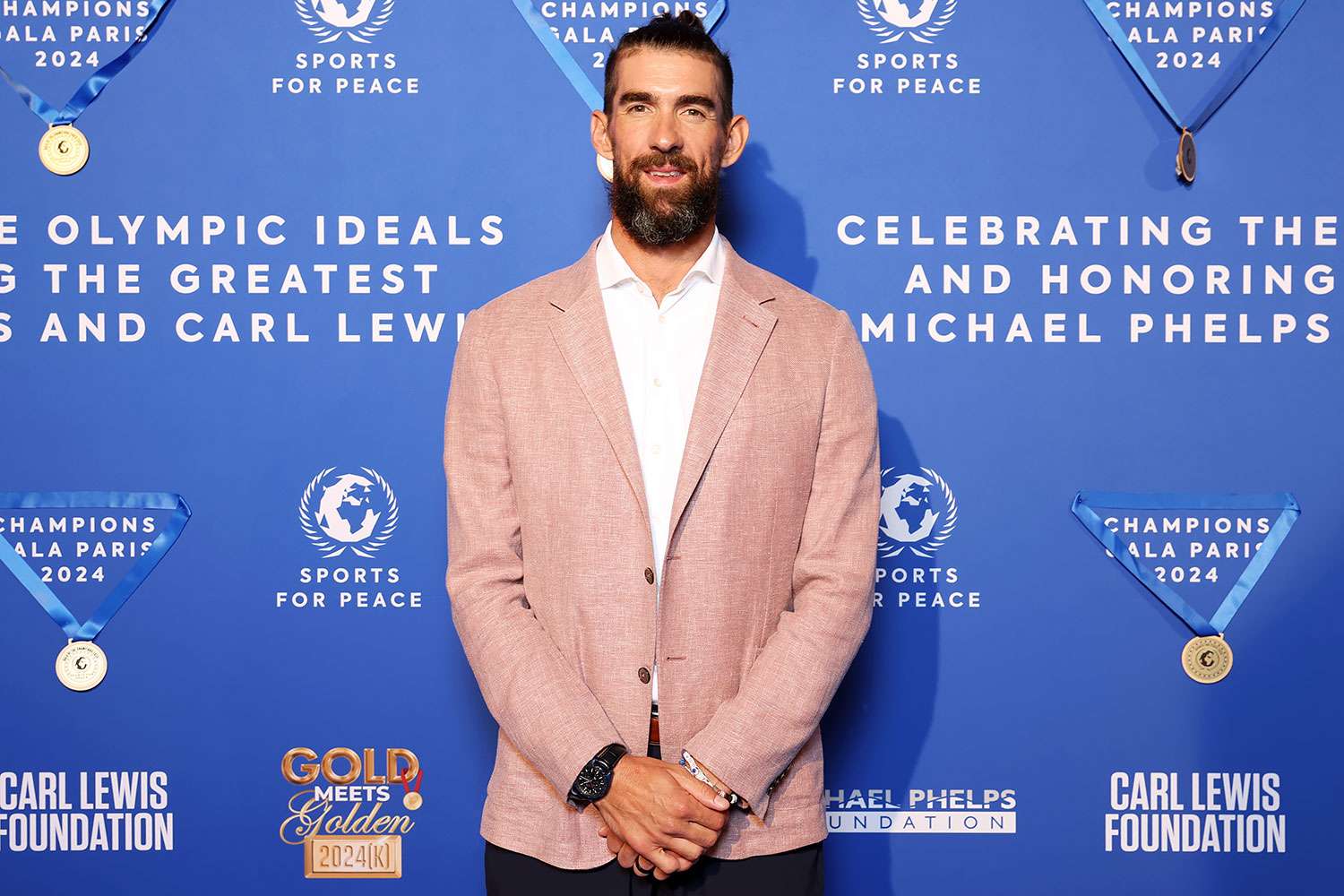
Michael Phelps in 2024.Credit: Victor Boyko/Getty -
On July 7, 2026, Michael Phelps sat down with Vivian Tu, known online as Your Rich BFF, on Richer Lives to talk about money, success and life after swimming
The 41-year-old shared the story behind his world record bonuses, his unique contracts, and his decision to put his $1 million Speedo bonus toward his foundation
Phelps also discussed how discipline shaped his career as an athlete, investor and mental health advocate
Michael Phelps has spent decades rewriting the record books, but in the latest episode of Richer Lives, he pulled back the curtain on the financial lessons that shaped his early career just as much as his time in the pool.
Sitting down with host Vivian Tu, better known as Your Rich BFF online, in the SoFi series, the 23-time Olympic gold medalist reflected on everything from signing endorsement deals as a teen to building a career that stretched far beyond swimming.
“Money wasn’t my driving factor,” Phelps, 41, said. “I loved what I did, and money was just part of it.”
For Phelps, learning how to handle that money started before he was a global superstar. The athlete famously qualified for his first Olympics in 2000, at the age of 15, and turned pro just one year later.
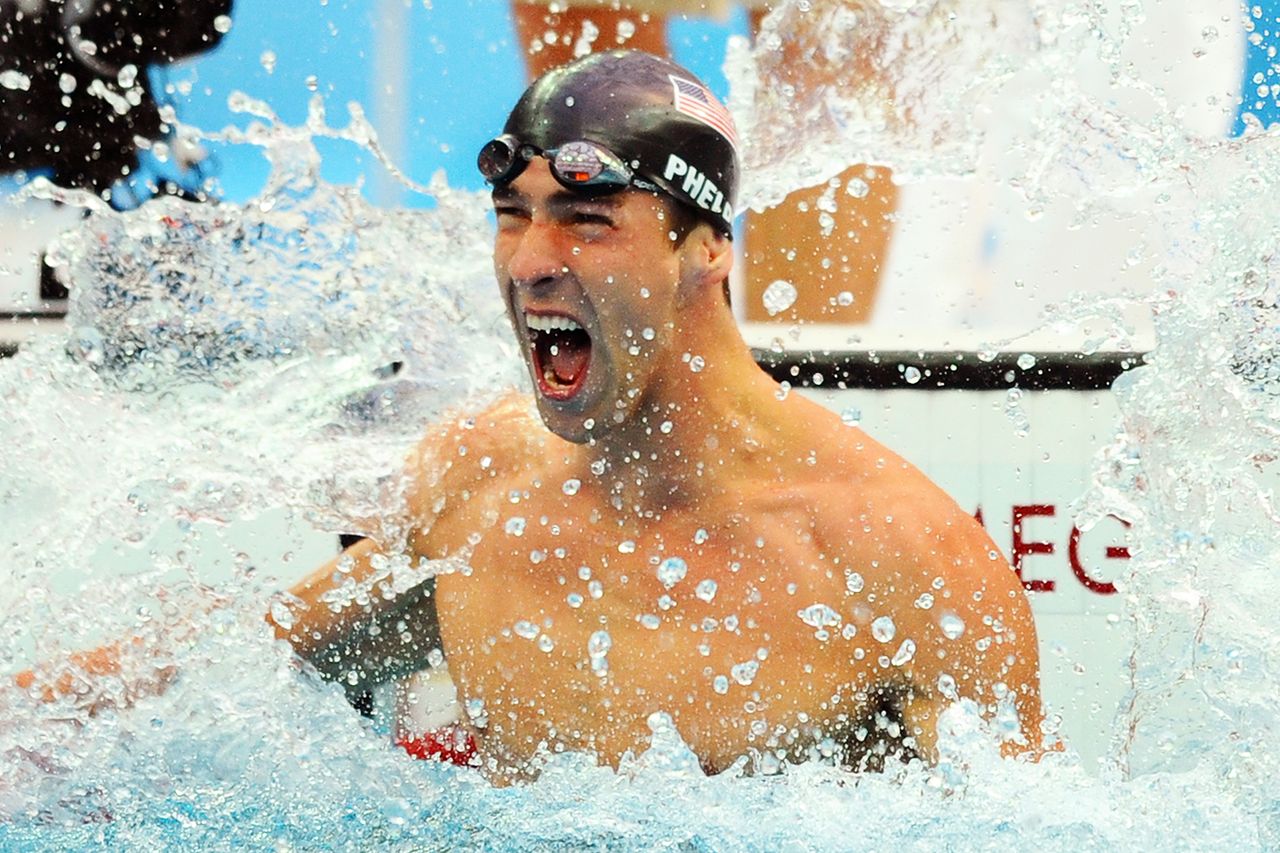
Michael Phelps at the 2008 Beijing Olympic Games.Credit: MARTIN BUREAU/AFP via Getty
After beginning to earn income through sponsorships, he said his mother helped him create a system that kept him focused on performance while teaching him the value of earning rewards.
Rather than giving him free rein with his growing wealth, Phelps’ mother tied spending to achievement. Every world record came with a chance to celebrate, creating an incentive that matched the mindset that helped him become the most decorated Olympian of all time.
“When I turned pro, my mom gave me a deal,” he recalled. “She was like, ‘Whenever you break a world record, you can go spend, what was it, $20,000 or $25,000, whatever it might be. You can go do that, but only if you break a world record.’ ”
However, Phelps joked that they made the deal without realizing he “was going to break a lot,” having set a whopping 39 world records throughout his career.
While the plan was built around discipline, with Phelps’ success, those rewards added up quickly. At first, he said he only bought himself video games and gaming consoles, but when he turned 16, he made his first big purchase: a Cadillac Escalade.
As the records continued to fall, he also had to learn how to navigate the reality of suddenly having significant wealth at a very young age.
“There are hundreds of thousands of dollars literally pouring into my account, so I knew I couldn’t just go out and spend it all,” he shared. “That’s just not smart, and it’s not thoughtful.”
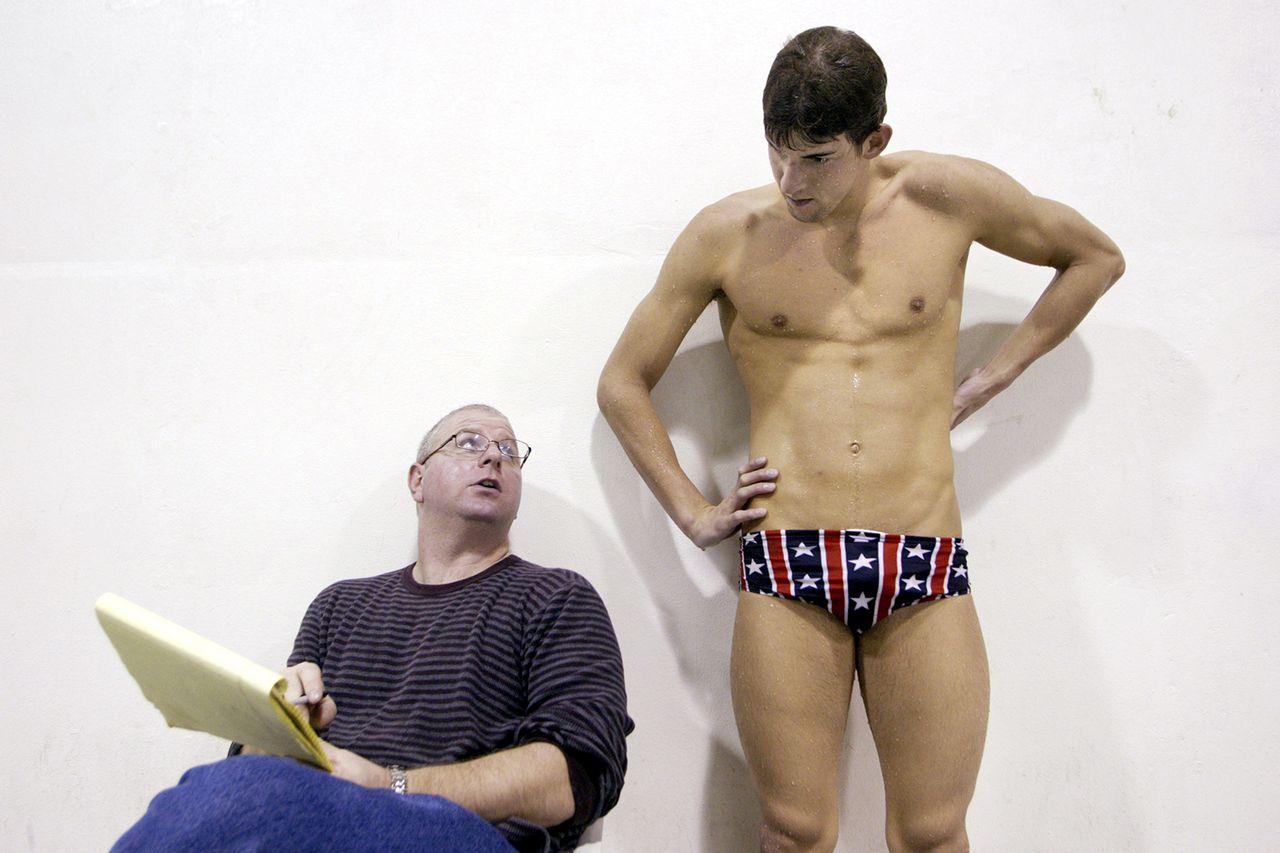
Michael Phelps and his coach Bob Bowen in 2003.Credit: getty
That approach eventually changed the way Phelps viewed his career. The money he earned from swimming was not just something to spend in the moment — it became a tool that could help him build something beyond competition.
“I think through that process of my mom teaching me the incentive-based approach with the world record, I started thinking, ‘Okay, what else am I going to do with my money? Am I going to invest it? Equity deals?’” he said. “I think it really opened me up to thinking differently about my career, not only as a swimming career but as a profession.”
Advertisement
— sign up for PEOPLE’s free daily newsletter to stay up-to-date on the best of what PEOPLE has to offer, from celebrity news to compelling human interest stories.
Phelps also credited having financial guidance early in life for helping him make smarter decisions as his earnings grew. He said he has worked with the same financial adviser since he was 15, learning the importance of budgeting, planning and building a sustainable lifestyle.
“His running joke—and I know you’re going to listen to this—is ‘B+ living,’” Phelps explained.
The philosophy was simple: create a life that works long term instead of constantly chasing more.
That same mindset carried into Phelps’ endorsement deals, negotiating contracts that rewarded him for every major accomplishment in the pool.
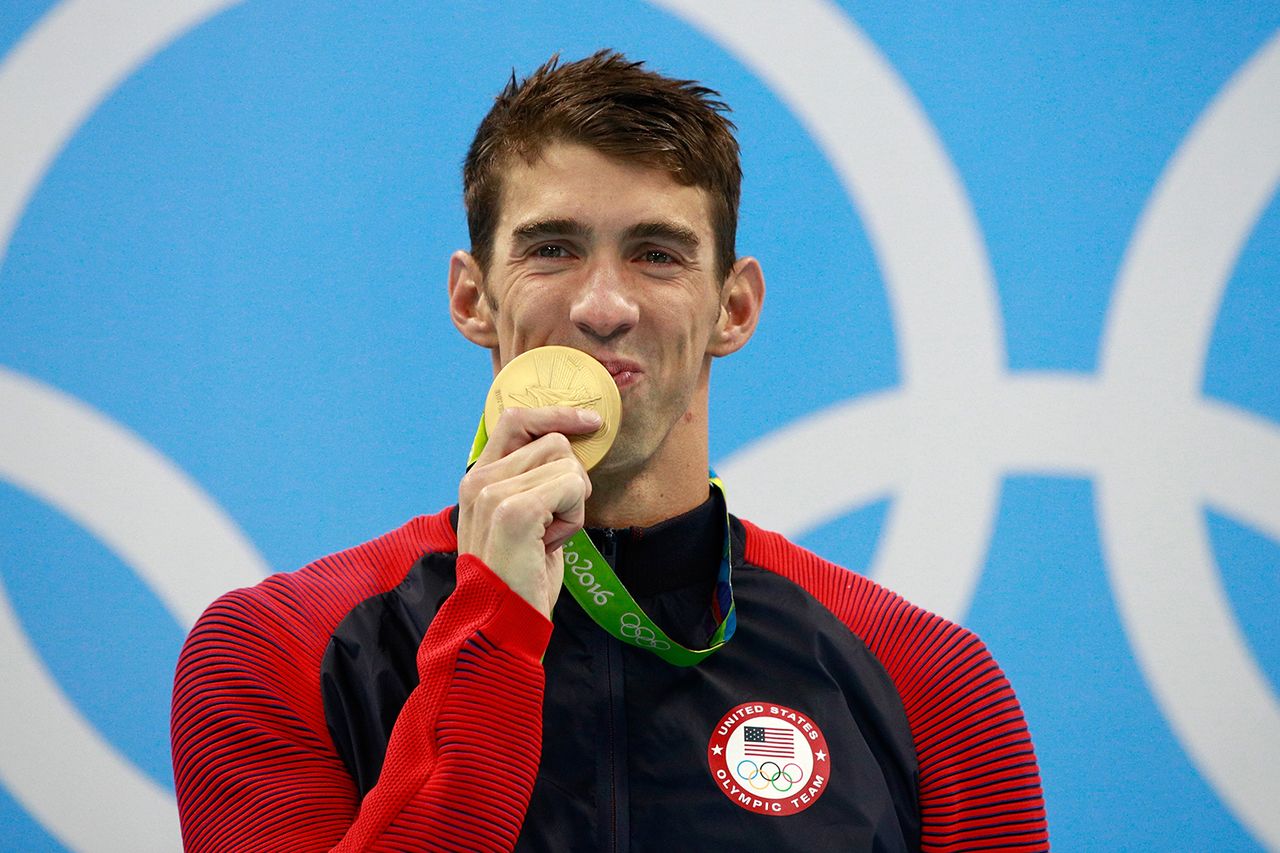
Michael Phelps at the Rio de Janeiro 2016 Olympic Games.Credit: Adam Pretty/Getty
However, at one point, his performance-based agreements became so successful that sponsors had to adjust the terms because he was collecting too many bonuses.
“Once I started breaking too many American records, they said, ‘We have to change this contract,’” he revealed.
One of the biggest moments came after the 2008 Olympics, when then-23-year-old Phelps received a $1 million bonus from Speedo after an incredible run that included eight gold medals.
Instead of using the money for a personal purchase, he put it toward the Michael Phelps Foundation, turning a career achievement into an opportunity to impact others through water safety programs.
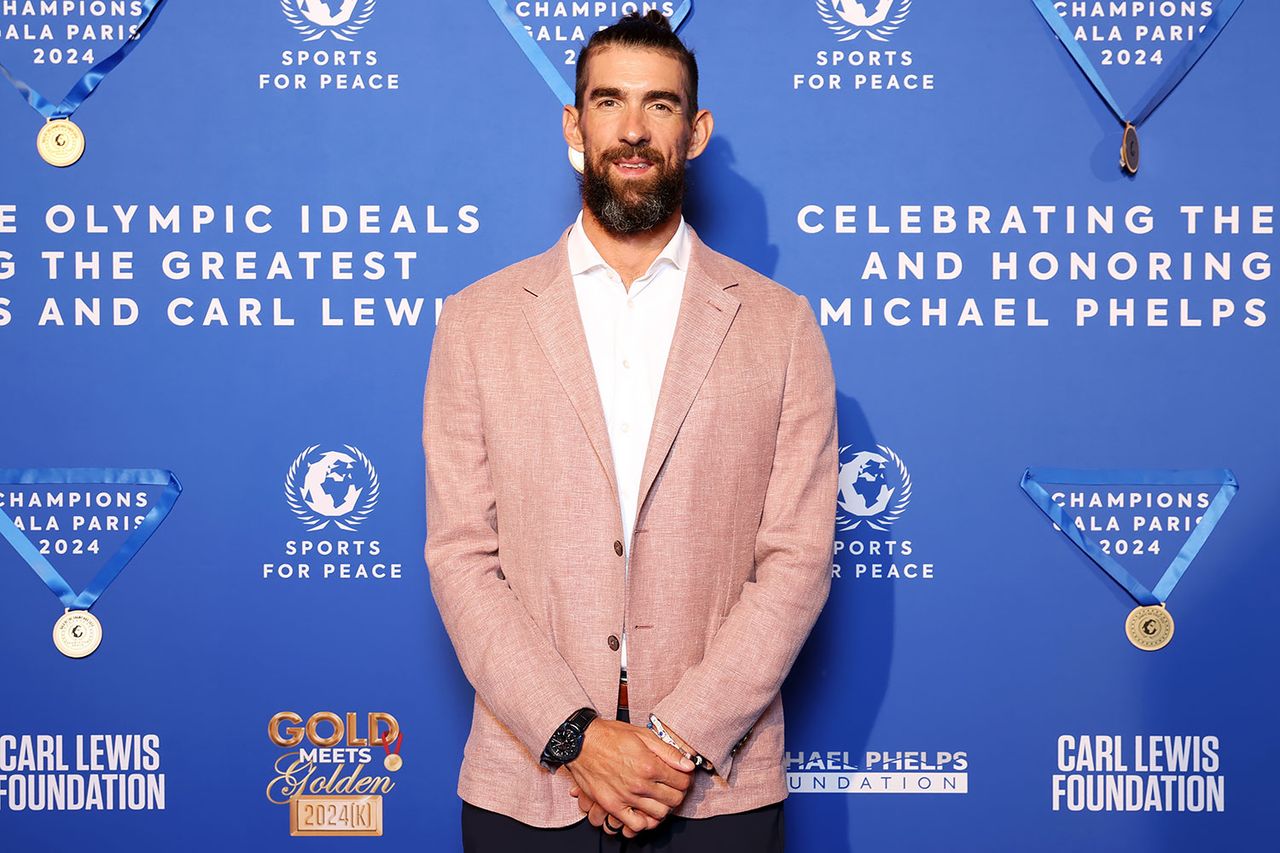
Michael Phelps in 2024.Credit: Victor Boyko/Getty
For Phelps, the transition from athlete to investor and advocate has been about applying the same principles that drove him in the pool: preparation, patience and consistency. Whether he was chasing another world record or building a life after swimming, he said the process always came down to the work behind the scenes.
“I don’t want to play catch-up. I’m just going to keep the ball rolling as long as I can,” he said. “That’s what I did. That was the only reason why.”
Even after all the medals, records and business opportunities, Phelps said the biggest lessons were never just about winning. They were about developing habits that could last long after the final race.
“That’s the difference between great and good,” Phelps told Tu. “The great do things the others don’t always want to do.”
on People
Source: “AOL Entertainment”
