


Tata chief’s dramatic resignation sets up succession battle at India’s largest conglomerate
Tata chief’s dramatic resignation sets up succession battle at India’s largest conglomerate

Alisha Rahaman Sarkar Wed, August 12, 2026 at 11:09 AM UTC
0
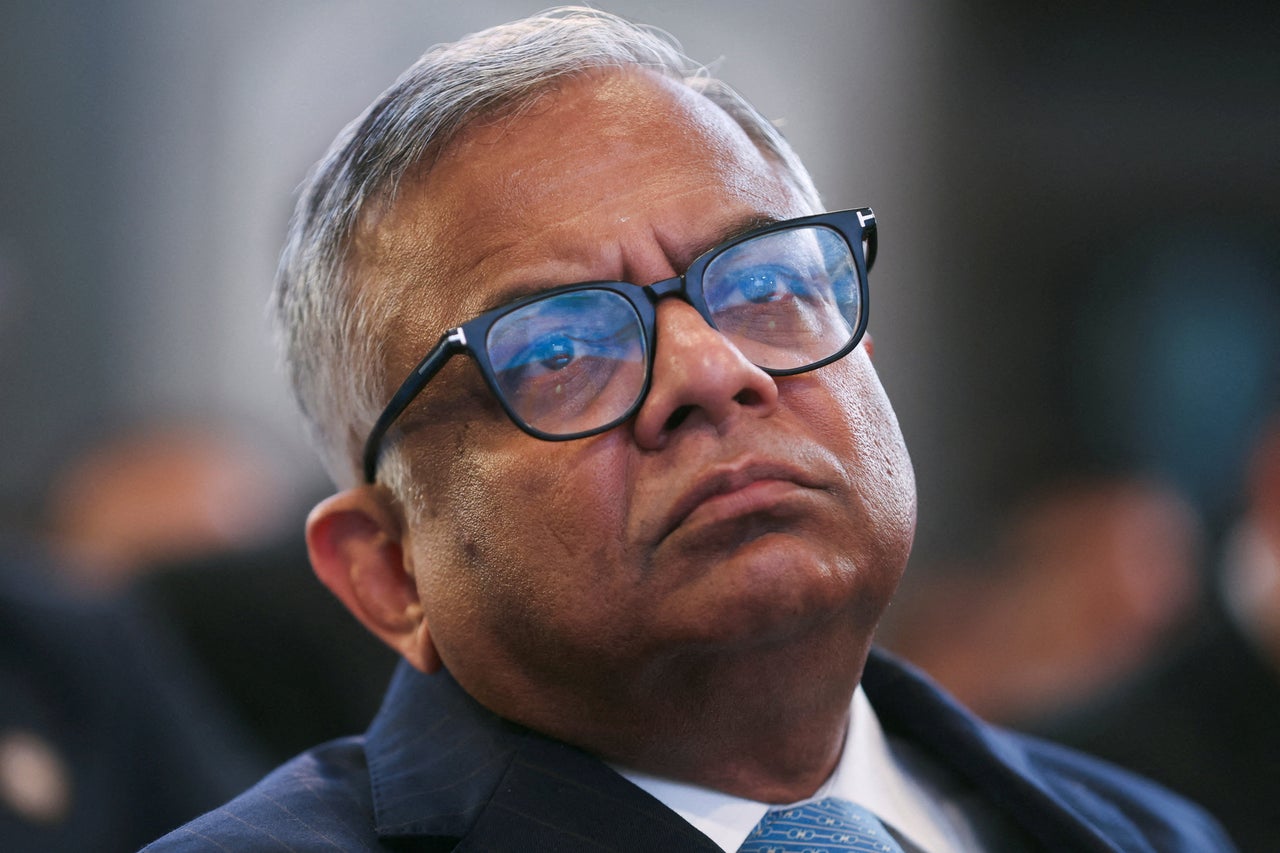
The chairman of Tata Sons announced his resignation on Wednesday after the board failed to extend his tenure, setting up a succession battle at one of India’s largest business houses.
Natarajan Chandrasekharan, popularly known as Chandra, said on Wednesday that he would step down at the end of his term in February 2027.
The decision followed months of deadlock over his reappointment. He said a single director withheld support for extending his tenure for five more years.
Mr Chandrasekaran said the Sir Dorabji Tata Trust and the Sir Ratan Tata Trust, majority shareholders of Tata Sons, had unanimously recommended that he continue as chair of the $300bn conglomerate but the proposal was not carried through by the board after Noel Tata, chairman of Tata Trusts, opposed the move.
Mr Tata demanded that Mr Chandrasekaran reduce debt, rule out a public listing of Tata Sons and resolve the conglomerate’s issues with the Shapoorji Pallonji Group, according to Bloomberg.
Mr Tata reportedly also wanted his son Neville Tata to play a more prominent role in the company.
"No resolution has been reached till date," Mr Chandrasekaran said in his statement announcing the resignation. “It is not only necessary to have a leader in place to lead the group beyond February 2027, but also clarity on leadership is important for employees, investors, partners, and other stakeholders.”
Advertisement
His resignation came just days before the annual general meeting of Tata Sons on 18 August, where Mr Chandrasekaran could face a possible vote of confidence.
And it deepens uncertainty over the future of Tata Sons, which has neither a deputy chairperson nor a succession plan. It was not immediately clear who would succeed Mr Chandrasekaran.
Tata Sons, the holding company of the salt-to-aviation conglomerate Tata Group, controls more than 30 companies, including Tata Consultancy Services, Tata Motors, and Air India, but is 66 per cent owned by Tata Trusts, the group's charitable arm. Mr Chandrasekaran is also chairman of Tata Group.
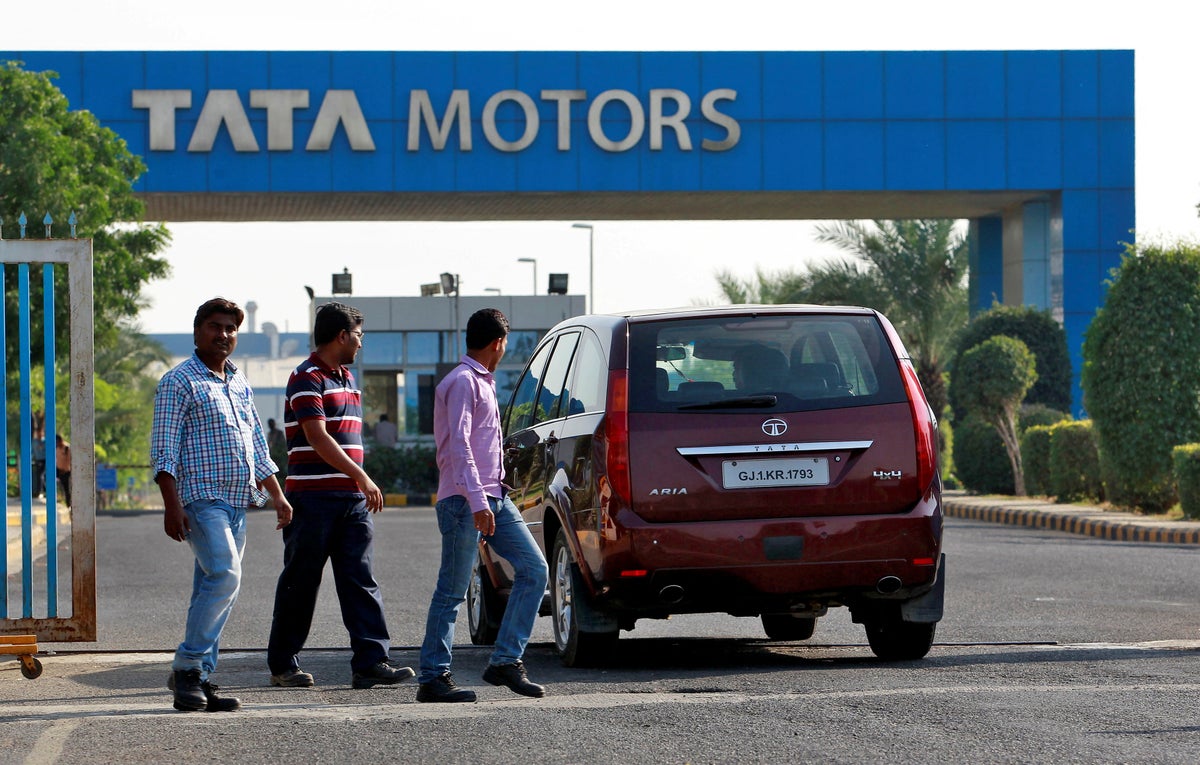
A Tata Motors car plant at Sanand in Gujarat, India (Reuters)
Over the last year or so, the conglomerate has had to contend with regulatory scrutiny of Air India following a crash that killed 260 people, pricing pressure at TCS, and a cyberattack at Jaguar Land Rover that disrupted production and weighed on Britain's economic output.
Feuds between Tata Sons and Tata Trusts have roiled the storied conglomerate before, most notably in 2016 when the Tata Sons board sacked Cyrus Mistry as chairman after he fell out with group patriarch Ratan Tata over corporate governance issues, triggering a bitter legal battle that lasted several years.
Mr Chandrasekaran joined the Tata Group in 1987 as an intern at TCS and spent essentially his entire corporate career at the IT giant, rising through the ranks to become CEO in 2009, before taking over Tata Sons in 2017.
Shares in Tata Group companies fell after he announced his resignation on Wednesday, with TCS losing about 4 per cent.
Source: “AOL Money”
