


The oil market has moved from fearing shortages to pricing in a very different future
The oil market has moved from fearing shortages to pricing in a very different future

Huileng TanTue, June 30, 2026 at 5:03 AM UTC
0
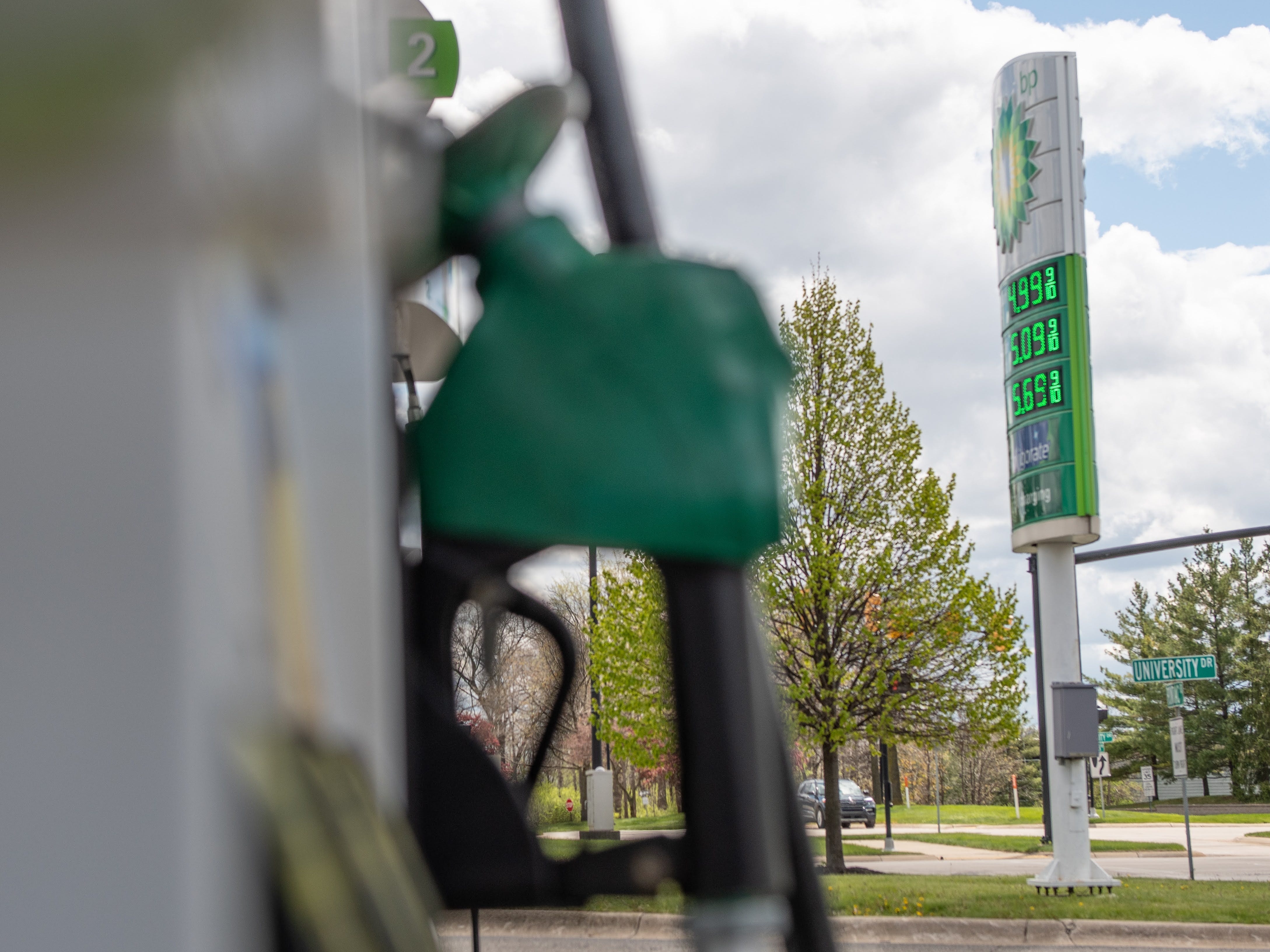
Wall Street is turning more bearish on oil as supply rebounds and demand worries persist.Adam J. Dewey/Anadolu/Getty Images -
Global oil supply is rebounding faster than expected, easing crude shortage fears.
Brent crude has tumbled from $126 to $73 as Gulf producers ramp up output.
Wall Street is cutting oil price forecasts as supply recovers and demand softens.
The oil market has gone from fearing a supply shock to worrying about too much crude.
International Brent crude oil futures were trading around $73 a barrel early on Tuesday. That is roughly back to prewar levels after topping $126 in April as the Iran conflict stoked fears of a major disruption to global oil flows.
The reason for the price collapse is simple: Supply is recovering faster than expected in a market that was already facing demand concerns before the latest selloff.
"There is a growing expectation that the global oil market will be well supplied through 2027," Warren Patterson, ING's head of commodities strategy, wrote in a note Monday.
Patterson said oil near $70 a barrel had "close to zero geopolitical risk premium" priced in. Expectations of a 2027 surplus would weigh on sentiment because markets are forward-looking, he added.
It is not just the preliminary US-Iran agreement or the pickup in tanker traffic through the vital Strait of Hormuz, where a quarter of global seaborne oil trade.
Rystad Energy estimated that about 2 million barrels a day of oil production had been restored across the Gulf over the past three weeks as producers brought fields back online.
"The supply picture is clearly improving," Aditya Saraswat, Rystad's MENA research director, said in a note last week.
Shipments from Saudi Arabia and Kuwait are also showing signs of recovery. Rystad said Saudi Arabia is on track for record exports through its Red Sea terminal at Yanbu, while Kuwait has lifted force majeure notices.
Advertisement
Rystad now expects regional production to return to pre-conflict levels by December, rather than in the first quarter of 2027.
That faster recovery is prompting Wall Street to rethink oil's outlook.
Earlier this month, Goldman Sachs cut its fourth-quarter 2026 Brent forecast from $90 to $80 a barrel and lowered its 2027 average forecast from $80 to $75 a barrel.
Morgan Stanley has also lowered its Brent forecasts, cutting its outlook from $85 to $80 a barrel in the fourth quarter through 2027. JPMorgan also expects Brent to average $80 a barrel in the fourth quarter and extend its decline to average $64 in 2027.
But supply is not the only reason Wall Street is turning more bearish.
Last month, Goldman warned that weaker demand has become a major downside risk for crude, pointing to softer fuel consumption in China and parts of Europe. The bank also sees a longer-term demand risk from electric vehicles.
Still, the Strait of Hormuz remains a key uncertainty.
Rystad said Gulf storage tanks were about 50% to 60% full, giving producers only a limited buffer if tanker traffic fails to normalize. If flows through the strait do not pick up, producers may have to throttle output again, pushing the full recovery into next year.
"The diplomatic agreement is a necessary first step and physical tanker flows through Hormuz are what we are watching now," Saraswat said.
If you enjoyed this story, be sure to follow Business Insider on Yahoo.
Source: “AOL Money”
